
Triathele Noor Elakhdar Swam Her Way Off Medication & Onto the Podium
From a Cairo sofa during lockdown to a World Championships bronze medal, Noor Elakhdar, Egypt's first triathlete with Down syndrome and autism, has never stopped moving.
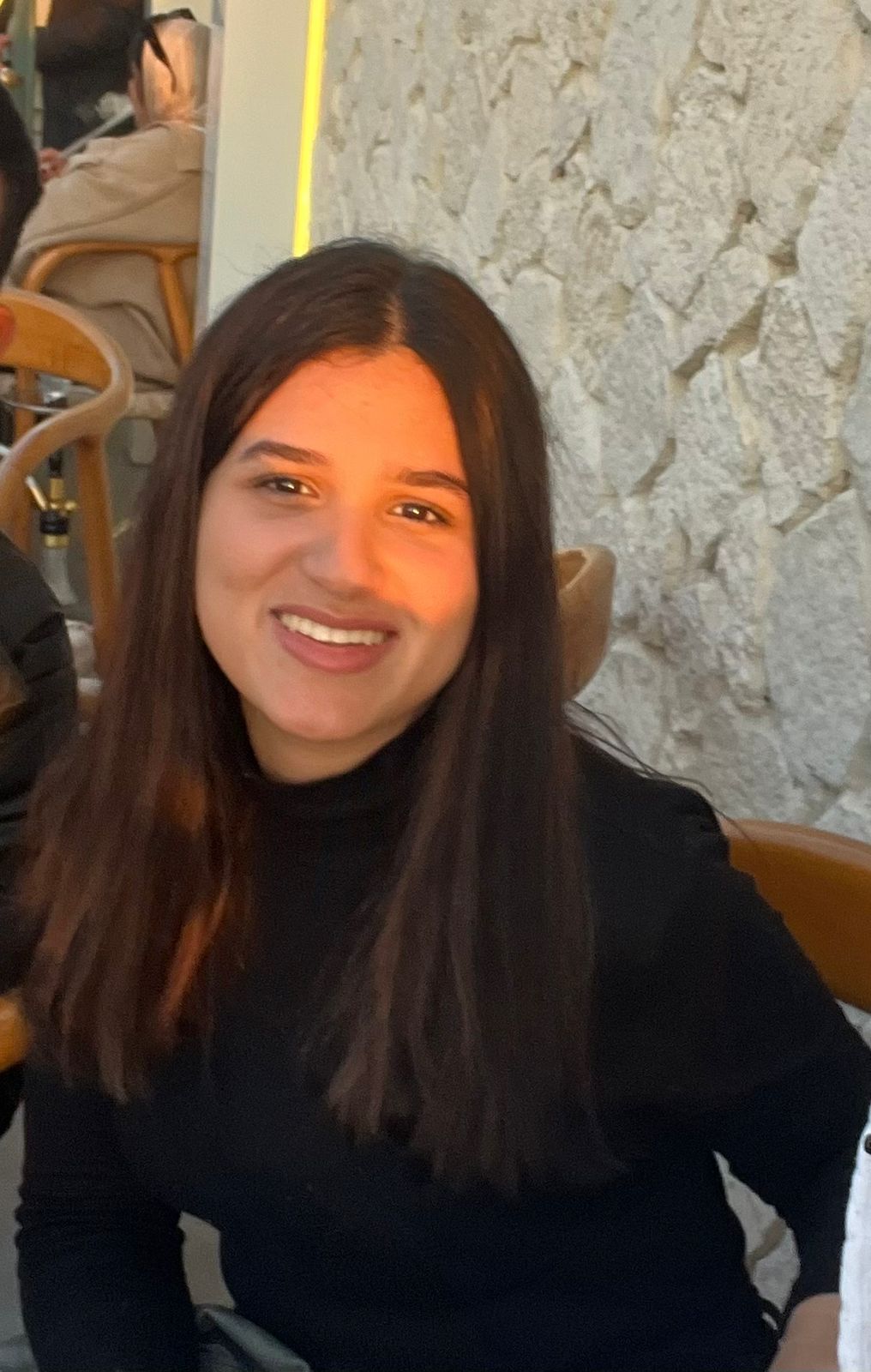
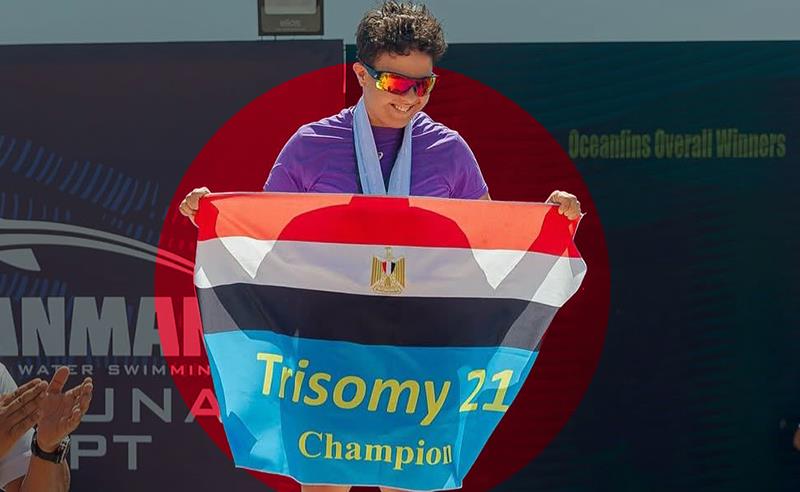
Noor Elakhdar spent the global lockdown on a sofa in a Cairo apartment, seventeen years old and heavy in ways that had nothing to do with weight.
She weighed 81 kilograms then, a diabetic on a handful of daily medications. Her body had always asked more of her, and it had settled into an uneasy truce with the life she was living: wake up late, sit, eat what felt good, repeat.
"There wasn't much movement or structure," she says. "I didn't feel like I was growing."
Elakhdar has Trisomy 21, or Down syndrome, as well as autism and ADHD. For much of her life, she says, the world had been presenting itself as a series of closed doors, long before the pandemic shut the last one.
Then she got into the water. There was an indoor pool in her building, and the resistance drew her in, the way water pushes back without cruelty.
From there she moved to the treadmill. She taught herself to cycle in 2021. Two years later she found triathlon, and fell for it completely.
-1d75077a-7faa-4faf-a350-1d75e45af582.png) Today Elakhdar weighs 52 kilograms, takes no medication, and has a resting heart rate of 44 beats per minute, the kind of figure that makes cardiologists look twice and ask whether it is a typo.
Today Elakhdar weighs 52 kilograms, takes no medication, and has a resting heart rate of 44 beats per minute, the kind of figure that makes cardiologists look twice and ask whether it is a typo.
She has finished 185 races. She holds a bronze medal from the Oceanman World Championships Finals. She is twenty-one, and by any measure that counts, only getting started.
Elakhdar is the first Arab athlete with both Down syndrome and autism to swim 1,500 metres in open water. The fact lands cleanly in a profile, but the life behind it is messier and far more interesting.
One of the more persistent effects of her condition is on emotional expression. Putting what she feels into words takes effort, and a lot of interior weather never quite makes it out through speech. So she found other exits.
She paints, working from her own instinct for colour. She dances, devoted to Michael Jackson and Lady Gaga, using their movement to send emotion from her body into a room full of strangers. "Swimming, cycling, running, dancing, and art all allow me to express emotions without words," she says.
The start, she says honestly, was chocolate, which her mind had made the currency of comfort, and which, during those locked-down months, became the opposition.
"The real challenge was mental," she says. "Fighting the voice that kept telling me to stop and eat what makes me feel happy."
A body that resisted every request she made of it. A mind with its own opinions on the trade between effort and reward. And a swimming pool that kept being there every morning. She kept getting into it.
"I stopped seeing myself as weak," she says. "I became disciplined, patient, and consistent."
Her mother's voice runs beneath all of it, coming back to her in the hardest moments: you can do anything. When the medications went away, she says, "it felt like freedom."
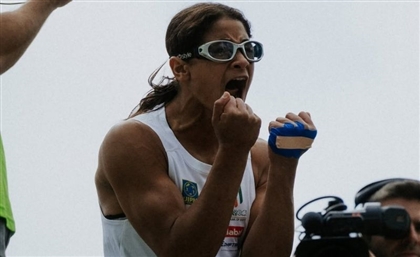
By the following year she was completing 18 age-group super sprint triathlons in a single season. At the start line of the Oceanman El Gouna, facing a two-kilometre open-water swim, she felt nervous and proud in equal measure.
"It wasn't just a race," she says. "It was proof of how far I had come." When the tiredness arrived in quiet instalments, she gave herself one instruction, over and over: just one more stroke.
She thought about the moment she would get to say, I did it. Then she took another stroke, and another, until she got there.
-95f55c6a-4bd6-470f-a1b1-4eee6cc0a94e.png) The Oceanman World Championships Finals brought the bronze medal she reaches for now when asked which finish line she carries with her most.
The Oceanman World Championships Finals brought the bronze medal she reaches for now when asked which finish line she carries with her most.
"It represented years of work, fear, discipline, and believing in myself when things were difficult," she says. "That finish line felt like proof that dreams can grow from very small beginnings."
Outside the races, the obstacles wear different shapes. Sport at least has the decency to be fair in its brutality: the water is the same temperature for everyone, and the clock ticks without negotiating.
The world around the sport is less tidy. "Sometimes the hardest challenge is not the race itself, but the way people underestimate people of determination," she says.
She has been offered the courtesy podium, and she has never wanted it. She wants space, but she cannot enter some events because no recognised category exists for her. What makes her angry is the door that was never built in the first place.
-2e06d212-c10d-4580-a23b-8f4c4472879f.png) People told her that her goals were too big, and in the beginning that was enough to slow her. She learned to carry it differently, through the accumulation of every moment she proved it wrong.
People told her that her goals were too big, and in the beginning that was enough to slow her. She learned to carry it differently, through the accumulation of every moment she proved it wrong.
Physical pain passes, she says. You expect it, you move through it, and then it is over. Feeling unseen has a longer half-life. "It can stay with you emotionally for a long time," she says. A wound without a finish line.
Away from the water and the cameras, Elakhdar keeps things simple. She watches birds, listens to Michael Jackson, cycles outdoors for the pleasure of it, and spends time with the people she calls her POD friends, the circle where she is fully comfortable and fully herself.
She laughs at small things and kind energy. She paints sunsets and movement and the feeling of water, from a palette that belongs entirely to her. "Sport gives me strength and discipline," she says, "while art and dance give me freedom and peace."
Her plans are considerable: a marathon, professional fin-swimming, rowing, surfing, competing internationally, speaking globally, helping younger athletes find what she found. She pictures herself in ten years waking up near the sea.
"I dream big," she says. "I will never stop moving my body to inspire others to do the same."
-c2ec40be-99cd-4b98-8960-d7b19c9ae80c.png) And to the girl she used to be, still on that sofa in Cairo, she offers this: "Keep going. One day all the hard moments, tears, training sessions, and fears will turn into strength. You have no idea yet how far you are going to go."
And to the girl she used to be, still on that sofa in Cairo, she offers this: "Keep going. One day all the hard moments, tears, training sessions, and fears will turn into strength. You have no idea yet how far you are going to go."
Neither, it seems, does anyone else.
- Previous Article Does FIFA Want to Keep Lionel Messi in the World Cup?
- Next Article Hassan Sedky Becomes First Egyptian to Chair IWBF Players' Committee