
Hockey History Began With Hoksha Along the Nile
Hoksha animates the walls of Minya tombs, surviving in local tradition and influencing contemporary game play.
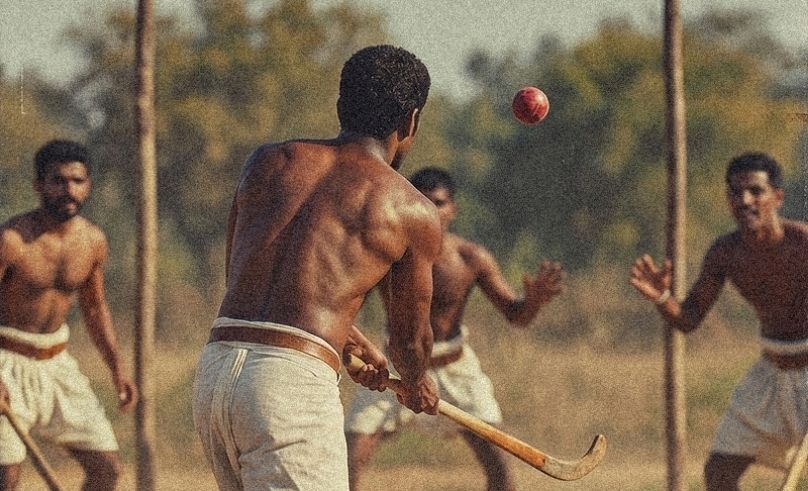
Thousands of years before modern hockey appeared, Egyptians were already playing a sophisticated stick-and-ball game known as ‘hoksha’. The name itself survives in local tradition, hinting at a sporting culture with ancient origins that bears a resemblance to the game we know today.
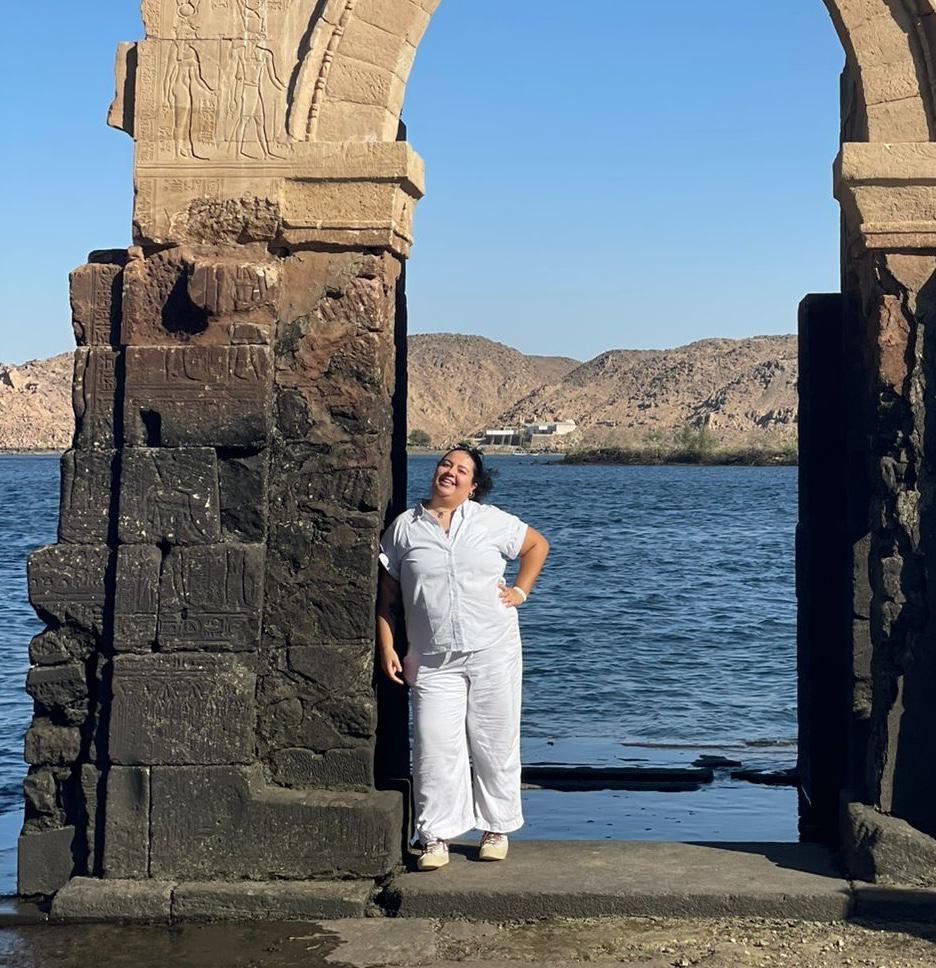
-78d77131-e4dc-40cb-a217-956c74287028.jpg) Imagery of hoksha comes from the Beni Hasan Tombs, burial sites belonging to provincial governors of the Middle Kingdom. Among the carved depictions of daily life, rituals and labour are scenes of figures bent forward, sticks in hand, positioned over a small ball. Their posture, focused and deliberate, could be lifted from a modern face-off, showing clearly structured play preserved for millennia.
Imagery of hoksha comes from the Beni Hasan Tombs, burial sites belonging to provincial governors of the Middle Kingdom. Among the carved depictions of daily life, rituals and labour are scenes of figures bent forward, sticks in hand, positioned over a small ball. Their posture, focused and deliberate, could be lifted from a modern face-off, showing clearly structured play preserved for millennia. -8b2068fe-2485-4ddc-93d3-267188881498.jpg) Ancient Egyptian athletics appear to have surpassed casual recreation and entered organised activity, with coordinated teams and shared rules. Players used defined equipment, including sticks fashioned from bent palm fronds and balls made of tightly bound plant fibres reinforced with leather. Movements seem deliberate, even strategic, with opposing sides engaging in patterned play that implies an understanding of teamwork, positioning, and skill.
What we see is not a primitive precursor, but a fully realised sporting culture, one that valued precision and competition. The scenes at Beni Hasan are not isolated but part of broader visual depictions in which physical activity held social importance. Sport, in this context, was embedded into everyday life, displaying both communal participation and a shared enjoyment for sport.
Ancient Egyptian athletics appear to have surpassed casual recreation and entered organised activity, with coordinated teams and shared rules. Players used defined equipment, including sticks fashioned from bent palm fronds and balls made of tightly bound plant fibres reinforced with leather. Movements seem deliberate, even strategic, with opposing sides engaging in patterned play that implies an understanding of teamwork, positioning, and skill.
What we see is not a primitive precursor, but a fully realised sporting culture, one that valued precision and competition. The scenes at Beni Hasan are not isolated but part of broader visual depictions in which physical activity held social importance. Sport, in this context, was embedded into everyday life, displaying both communal participation and a shared enjoyment for sport.
-6d80d914-62a5-47e9-a86b-465fe7177801.jpg) The legacy of hoksha extends far beyond the tomb art, permeating into our modern day. Still practiced close to its original form, the sport is referenced in local athletic culture in areas of the Delta and Upper Egypt. The Sharkia Sporting Club’s women’s field hockey team uses contemporary equipment but maintains the structure and spirit of the original game. Since their formation in the 90s, the team has become one of the most successful in Egypt, winning multiple national championships and claiming the Africa Cup for Club Champions in 2019. Team members and coaches openly link their practice to these ancient roots, seeing themselves as living their cultural heritage.
Its survival in contemporary play shows continuity, framing hoksha as more than an irrelevant historical tale. Considered together, the archaeological record and modern-day practice spotlight a rare kind of persistence. Ancient traditions tend to fade, but this offers something tangible: a direct, traceable link between early Egyptian society and present day.
The legacy of hoksha extends far beyond the tomb art, permeating into our modern day. Still practiced close to its original form, the sport is referenced in local athletic culture in areas of the Delta and Upper Egypt. The Sharkia Sporting Club’s women’s field hockey team uses contemporary equipment but maintains the structure and spirit of the original game. Since their formation in the 90s, the team has become one of the most successful in Egypt, winning multiple national championships and claiming the Africa Cup for Club Champions in 2019. Team members and coaches openly link their practice to these ancient roots, seeing themselves as living their cultural heritage.
Its survival in contemporary play shows continuity, framing hoksha as more than an irrelevant historical tale. Considered together, the archaeological record and modern-day practice spotlight a rare kind of persistence. Ancient traditions tend to fade, but this offers something tangible: a direct, traceable link between early Egyptian society and present day.
-ac4346cd-907f-4899-817f-d316c04d0b4c.jpg) Hoksha can redefine how we understand the history of sport. Rather than a linear progression defined by modern codified rules, it suggests a more layered story. One where inventions emerge across culture in multiple places and moments. Long before the rules of hockey were formalised elsewhere, the essence of the game was already taking shape along the Nile.
Hockey’s origins do not belong to a single geographical area or period of time. They are part of an expansive section of human story that Egypt helped write early on. The history of play is only as complete as the narratives we preserve.
Hoksha can redefine how we understand the history of sport. Rather than a linear progression defined by modern codified rules, it suggests a more layered story. One where inventions emerge across culture in multiple places and moments. Long before the rules of hockey were formalised elsewhere, the essence of the game was already taking shape along the Nile.
Hockey’s origins do not belong to a single geographical area or period of time. They are part of an expansive section of human story that Egypt helped write early on. The history of play is only as complete as the narratives we preserve.